
Une éducation publique de qualité pour tous
Quoi de neuf
Campagne
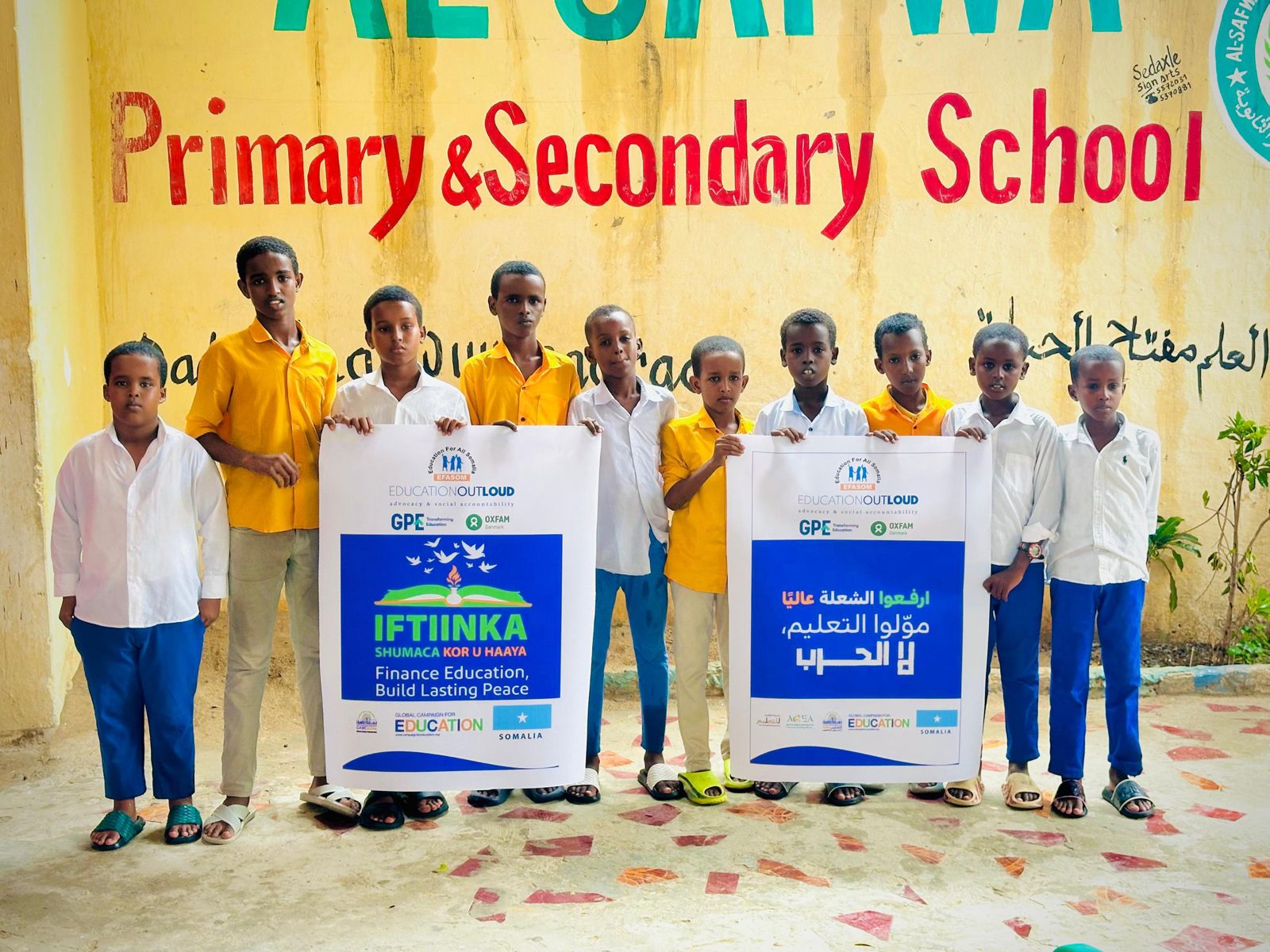
Semaine mondiale d'action pour l'éducation
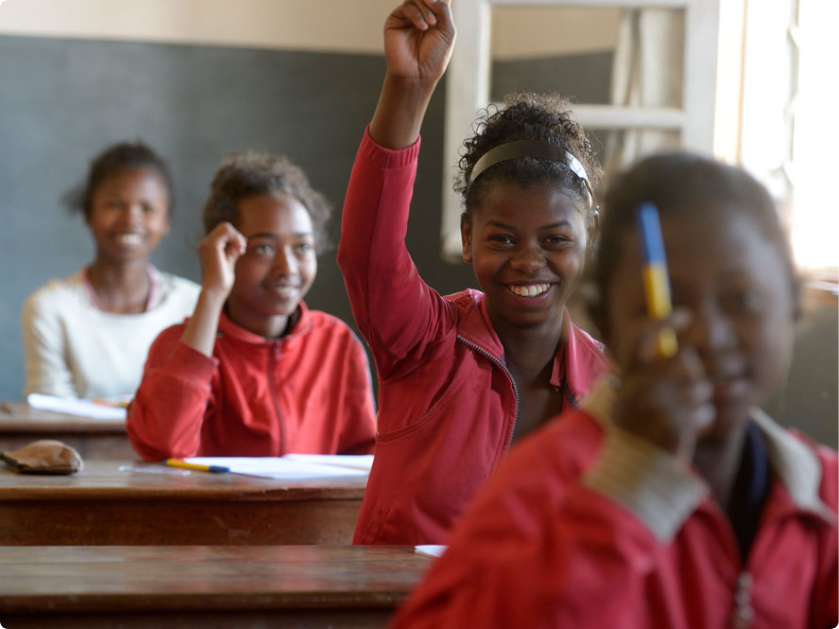
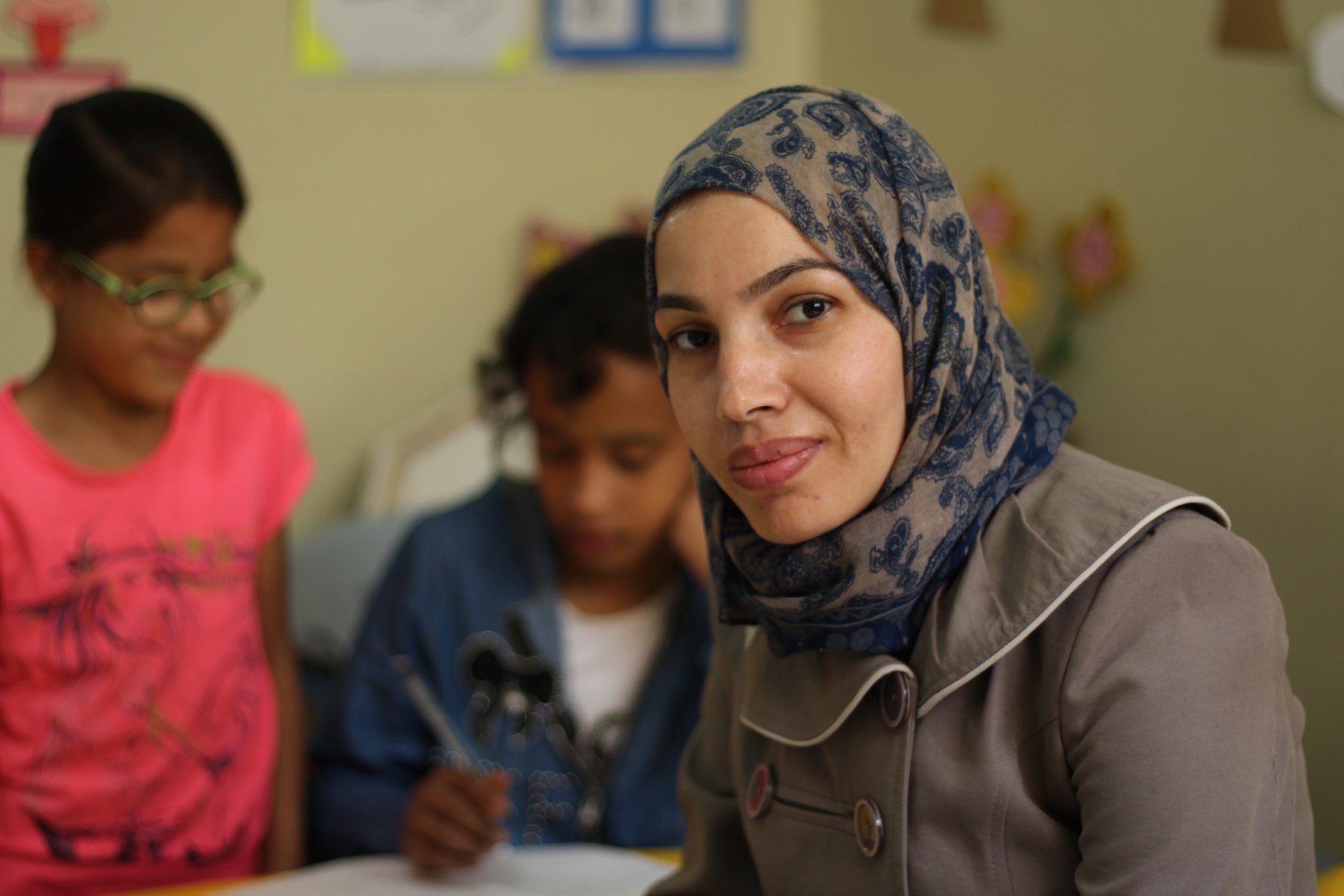
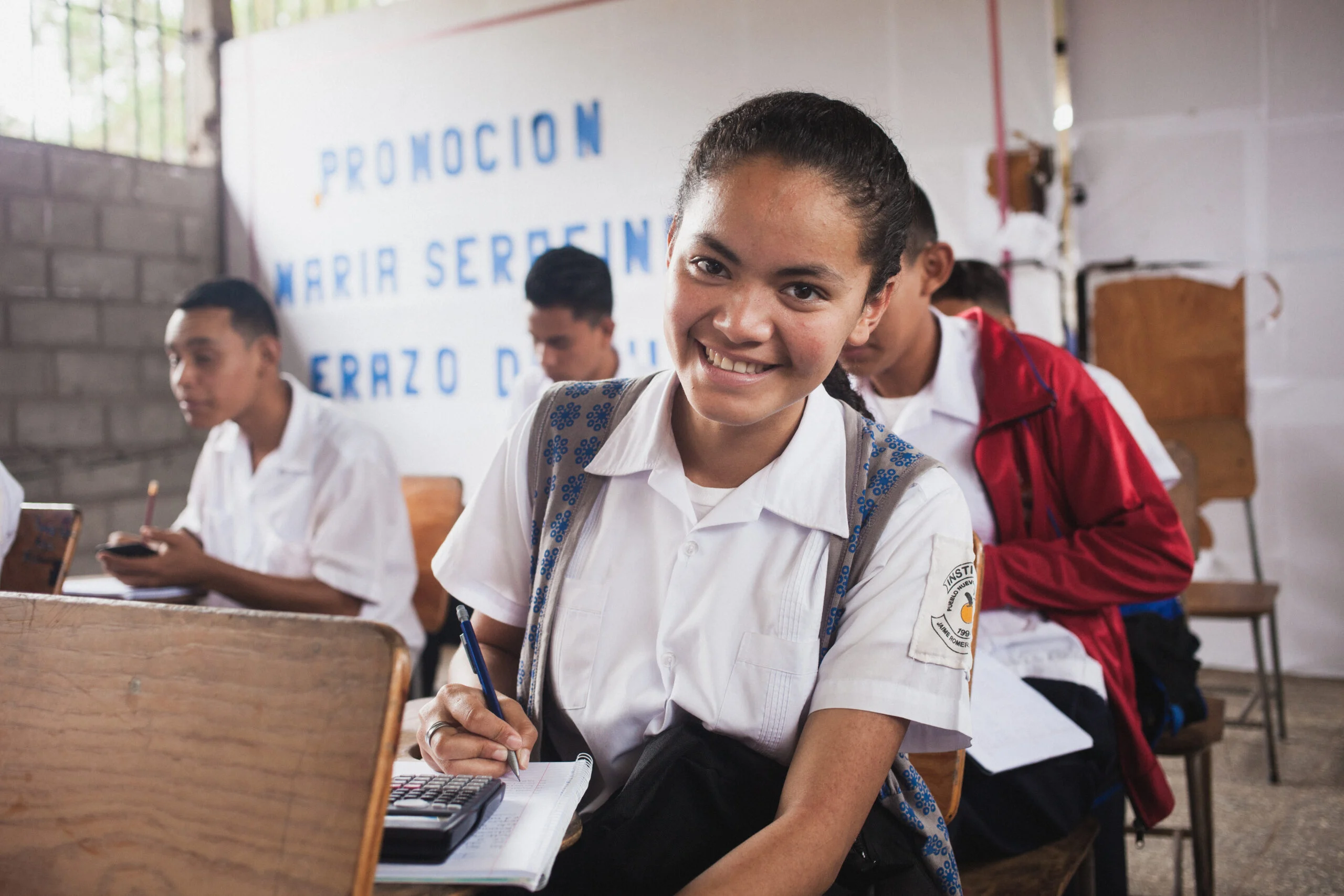
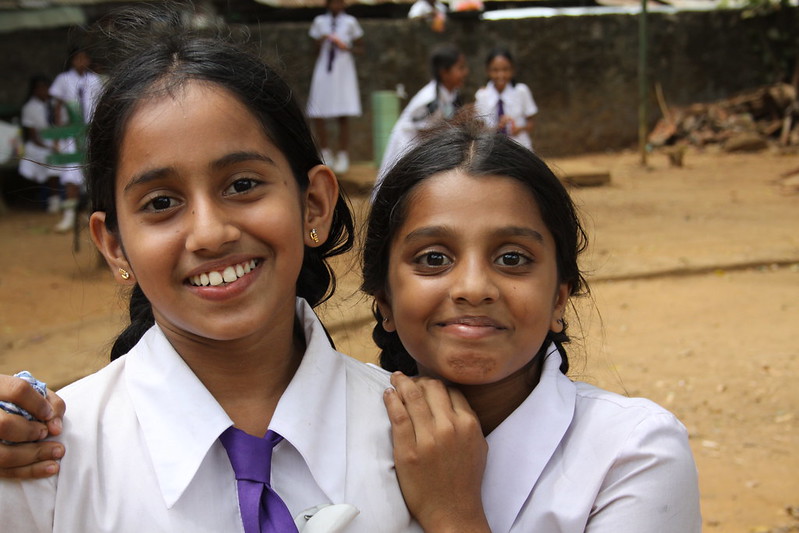
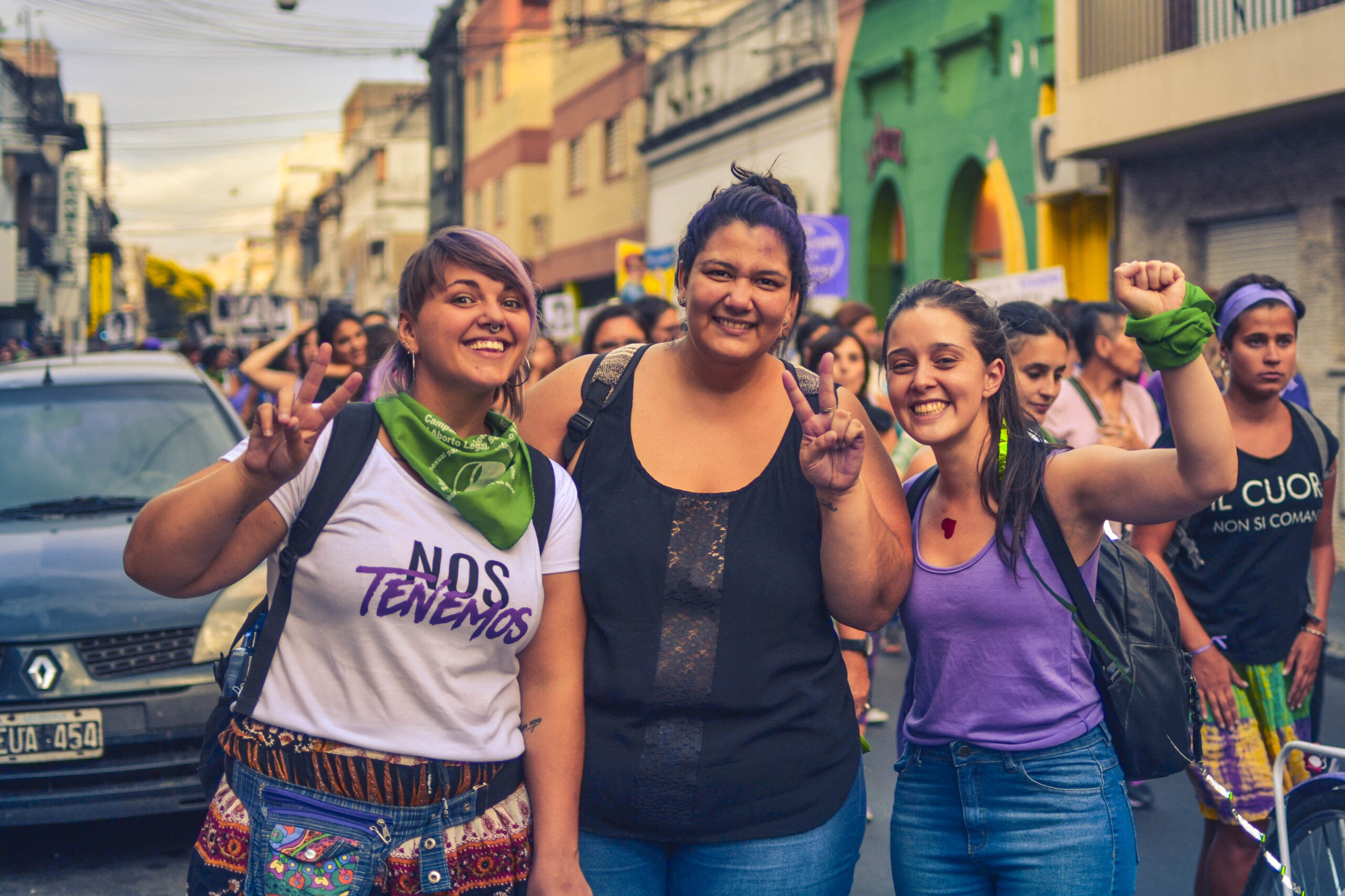
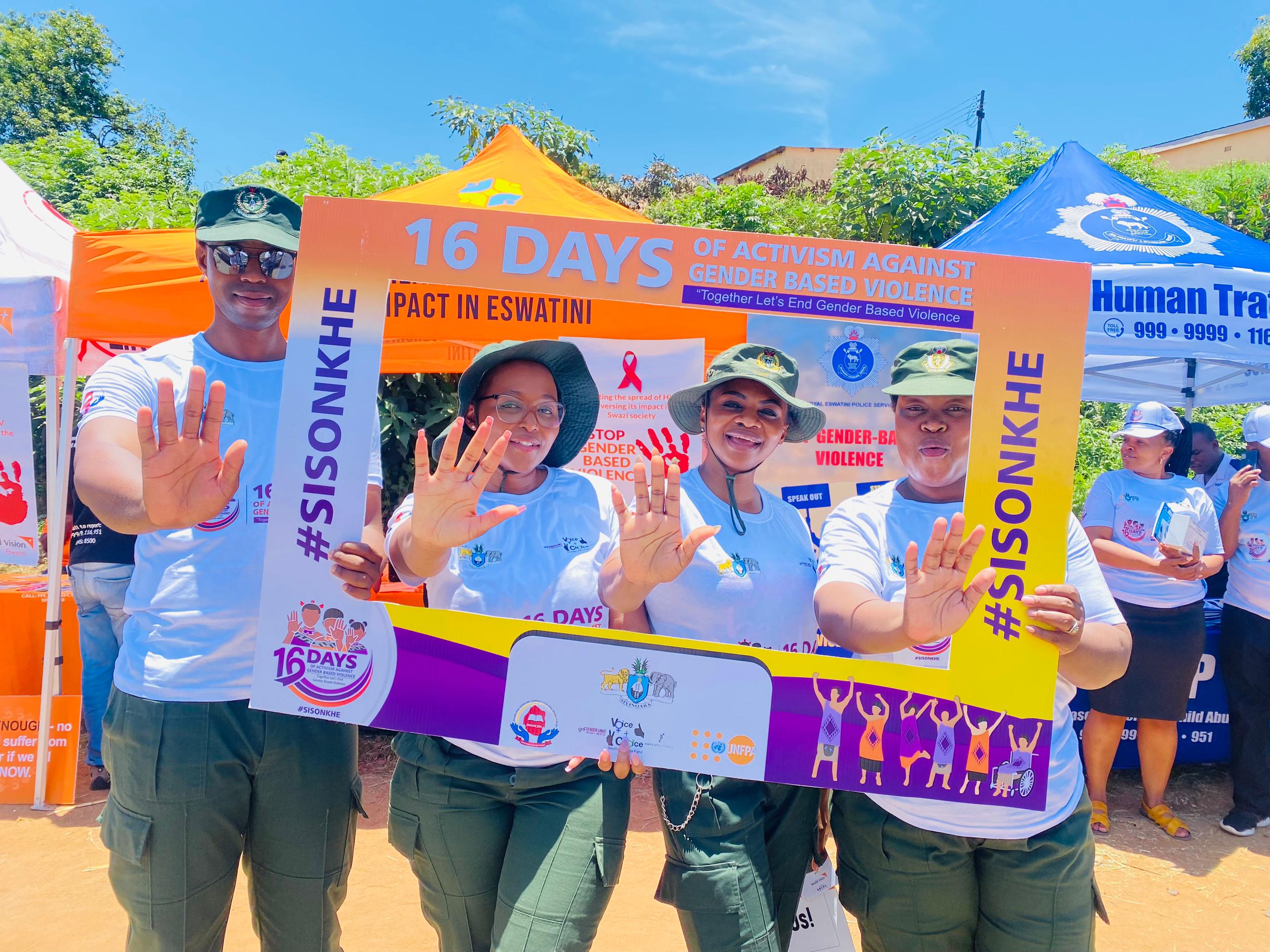
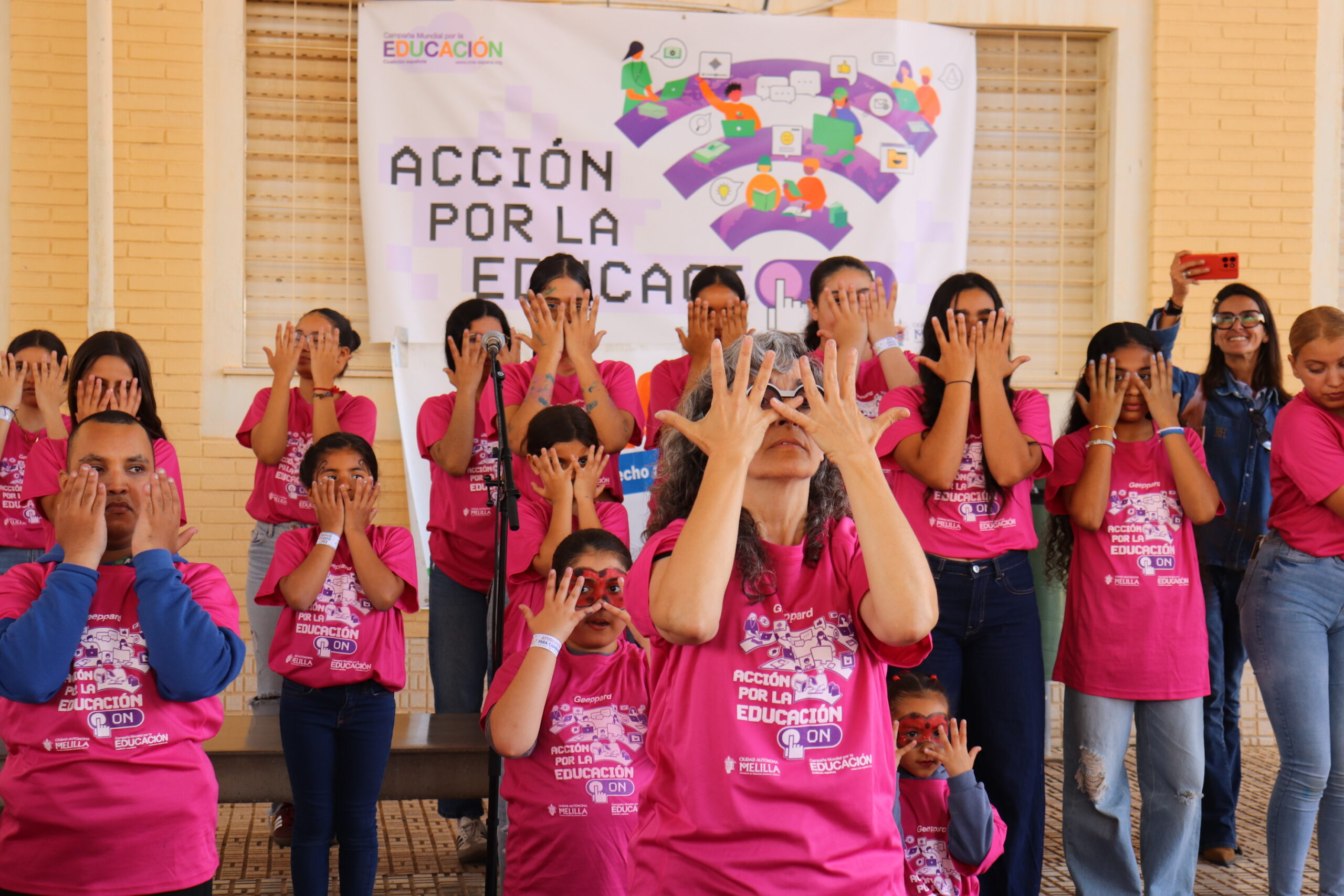
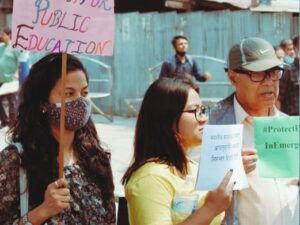
La Semaine mondiale d’action pour l’éducation (GAWE) est la mobilisation annuelle phare de la GCE, qui rassemble des élèves, des enseignants, des syndicats, des parents et des militants du monde entier pour exiger que chaque gouvernement garantisse une éducation publique gratuite, de qualité et inclusive. Chaque année, la GAWE met en lumière les questions urgentes liées à la justice en matière d’éducation et inspire des actions nationales et locales créatives qui poussent les dirigeants à transformer leurs promesses en progrès réels dans les salles de classe et les communautés.
Grâce à des actions de plaidoyer coordonnées, des événements publics et des campagnes numériques, la GAWE met en avant les voix des personnes les plus touchées par les inégalités en matière d’éducation et le sous-financement, et appelle à un renforcement des politiques éducatives, des budgets et de la responsabilité. C’est un moment fort pour le mouvement, qui permet de se rassembler, de partager des expériences et des stratégies, et de montrer que l’action collective peut transformer les systèmes éducatifs et les vies.


Centre d'apprentissage GCE
Une plateforme pratique et flexible pour un apprentissage structuré à votre rythme. Grâce à une connexion Internet, vous pouvez apprendre où et quand vous le souhaitez.
+15 cours
en 5 langues
L'Observatoire du financement de l'éducation (EFO) est une initiative de la CME qui suit et analyse les tendances mondiales en matière de financement de l'éducation afin de renforcer les systèmes d'enseignement public et d'étayer les actions de plaidoyer en faveur de l'ODD 4.
Lancé début 2021, l'EFO s'appuie sur trois processus étroitement liés — le suivi et la collecte de données, l'analyse, ainsi que le plaidoyer et la communication — afin de fournir des informations pertinentes en temps opportun pour orienter les décisions politiques et favoriser des changements significatifs dans le financement de l'éducation à l'échelle mondiale.
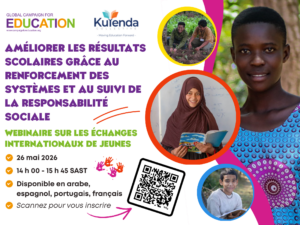
Observatoire du financement de l'éducationLA JEUNESSE EN ACTION
Ressources
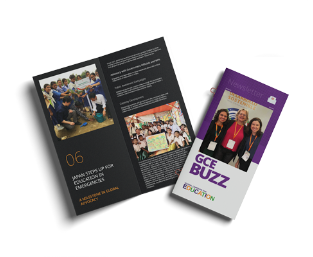
Inscrivez-vous à notre newsletter
Inscrivez-vous à GCE Buzz pour recevoir directement dans votre boîte mail les dernières actualités sur la promotion de l'éducation dans le monde, les témoignages de nos membres et des ressources clés.